Great Barrier Reef snorkeling from Cairns: best tours compared
How to choose a Great Barrier Reef snorkel trip from Cairns: inner vs outer reef, island vs pontoon, group size, stinger season, and the best day tours compared.
Some links are affiliate links: if you book or buy through them we may earn a commission at no extra cost to you. How this works.
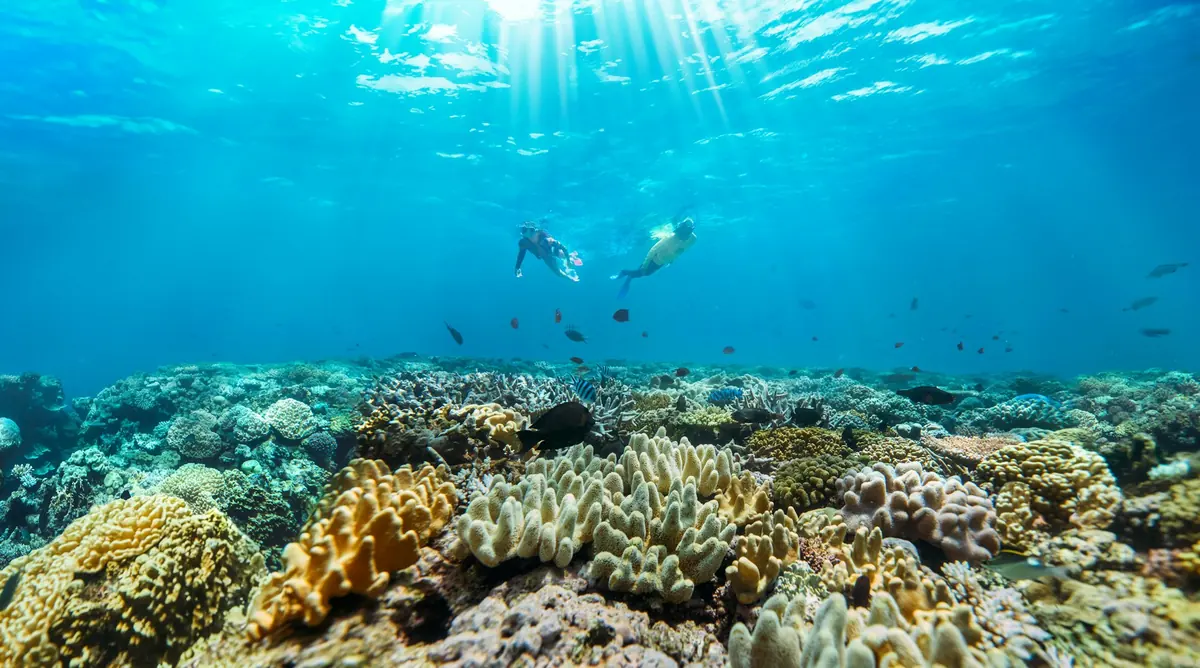
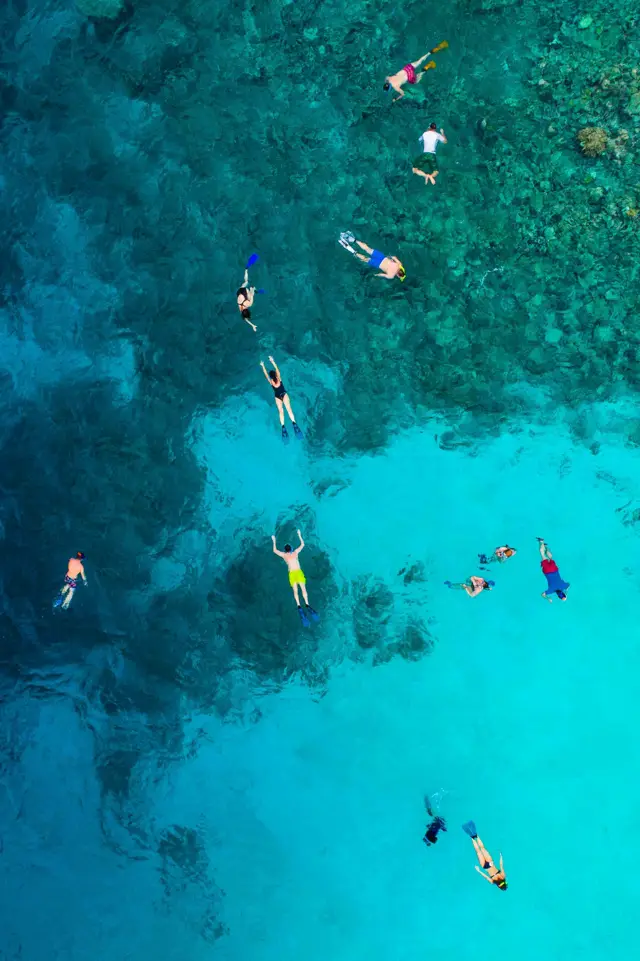
Cairns is the main gateway to the Great Barrier Reef, and dozens of boats leave its marina every morning. The single biggest decision is inner reef or outer reef. After that, it is about group size, how many sites you visit and whether you want a big boat with extras or a small, snorkel-focused trip.
The tours compared
| Tour | Leaves from | Time | Group | From | Book |
|---|---|---|---|---|---|
| All-inclusive half-day outer reef snorkelGetYourGuide: marine biologist guide, snorkel-only | Cairns | Half day | Up to 40 | — | Check availability |
| Outer reef full day with lunchGetYourGuide: two outer reefs, about 5 h in water | Cairns | Full day | Large boat | $178 | Check availability |
| Small-group reef snorkel (20 max)GetYourGuide: small group at Upolu Reef | Cairns | Full day | Up to 20 | $188 | Check availability |
| Premium snorkel and dive day tripGetYourGuide: prescription masks available | Cairns | Full day | Large boat | $178 | Check availability |
| All Cairns snorkeling toursGetYourGuide: browse every option | Cairns | Varies | Varies | $77 | See all tours |
| Great Barrier Reef tours (Viator)Viator: alternative booking | Cairns | Varies | Varies | — | See all tours |
Where the boats go
Reef Fleet Terminal
Cairns Marlin Marina
- Entry
- Departure point
- Best months
- Year-round
- Facilities
- Cafes, restrooms
- Fees and permits
- Reef tax (EMC) usually in tour price
How to get there
On the Cairns Esplanade waterfront. Most day boats check in here between 7 and 8 am; many tours include hotel pickup.
16.920° S, 145.781° EDirections
Outer reef
Outer reefs (Saxon, Hastings, Norman, Upolu)
50–70 km offshore
- Level
- 2 of 5
- Entry
- Boat only
- Depth
- 3–60 ft
- Visibility
- 50–100 ft
- Best months
- June to October
- Facilities
- On the boat
- Fees and permits
- Included
- What you'll see
- Giant clams, reef sharks, turtles, Maori wrasse, big coral
How to get there
Day boats from Cairns, about 1.5–2 hours each way.
16.470° S, 146.020° EDirections
The outer reef sits 50 to 70 km offshore. It takes longer to reach, but the water is clearer and the coral is usually in better condition. Small-group boats often visit two or three sites in one day.
Inner reef and islands
Green Island
Inner reef, 45 minutes from Cairns
- Level
- 1 of 5
- Entry
- Shore, sandy
- Depth
- 3–15 ft
- Visibility
- Fair to good
- Best months
- Year-round
- Facilities
- Resort, restaurants, rentals
- Fees and permits
- Included in ferry
- What you'll see
- Turtles, reef fish, sea grass
How to get there
Frequent fast ferries from the Reef Fleet Terminal. Easy for families and non-swimmers.
16.759° S, 145.973° EDirections
Michaelmas Cay
Inner reef
- Level
- 1 of 5
- Entry
- Shore from boat
- Depth
- 3–20 ft
- Visibility
- Good
- Best months
- Year-round
- Facilities
- On the boat
- Fees and permits
- Included
- What you'll see
- Seabird colony, giant clams, turtles
How to get there
Visited by sailing catamarans from Cairns; landing area is restricted to protect birds.
16.605° S, 145.973° EDirections
Fitzroy Island
Inner reef, 45 minutes from Cairns
- Level
- 1 of 5
- Entry
- Shore
- Depth
- 3–20 ft
- Visibility
- Good
- Best months
- Year-round
- Facilities
- Resort, turtle rehabilitation centre
- Fees and permits
- Ferry fare
- What you'll see
- Turtles, coral at Nudey Beach
How to get there
Ferries from the Reef Fleet Terminal. Good for a relaxed island day.
16.932° S, 146.002° EDirections
Islands and inner reefs are closer and cheaper, and great for families, beginners and anyone prone to seasickness. Visibility is generally lower.
Pontoon, island or boat?
- Pontoon trips moor at a permanent platform on the outer reef with shade, toilets, a snorkel area, semi-sub and sometimes an underwater observatory. Good for mixed groups.
- Island trips are relaxed days on a sandy beach with snorkeling from shore.
- Boat-only trips move between sites and maximize time on good reef. Best for keen snorkelers.
When to go
- June to October: dry season, cooler water (about 23–25°C), best visibility, no stinger season.
- November to May: warmer water, more rain and wind, and stinger season. Wear the lycra suit the crew provides.
Tips
- Prescription masks are available on some boats; ask when booking, or see best prescription snorkel masks.
- Seasickness: take medication before you board; the outer reef crossing can be rough.
- Cameras: a floating strap stops expensive mistakes. See underwater cameras for snorkeling.
- Reef tax: an environmental management charge applies to every visitor and is usually included in the price.
For other bucket-list trips, see the best places to snorkel in the world.