Snorkeling safety: 15 rules every snorkeler should know
Fifteen snorkeling safety rules covering buddies, conditions, currents, health, flotation, boats, marine life and sun, with what to do if something goes wrong.
Some links are affiliate links: if you book or buy through them we may earn a commission at no extra cost to you. How this works.

Most snorkeling is gentle and safe. Most snorkeling accidents happen when people go alone, in conditions they misjudge, or keep going when their body is telling them to stop. These 15 rules cover nearly all of it.
Before you go
1. Never snorkel alone. Snorkel with a buddy who stays close enough to help.
2. Check conditions. Look at the surf forecast and wind, and read the local lifeguard report. See how to check snorkel conditions.
3. Ask a lifeguard. They know where currents run today.
4. Know your health. Heart and lung conditions, high blood pressure, recent illness and medications that cause drowsiness all raise risk. Ask your doctor.
5. Choose spots that match your ability. Use the level on our spot cards. Start with level 1 and 2 spots.
Gear
6. Use gear that fits. A leaking mask causes stress. See how to snorkel.
7. Wear flotation if you are not a strong swimmer. See snorkel vests.
8. Be careful with full face masks. Read are full face snorkel masks safe.
In the water
9. Watch before you enter. Spend five minutes watching waves and where other people get in and out. Plan your exit.
10. Look up often. Every minute or two, check where you are, where your buddy is and how far you have drifted.
11. Know how to handle a rip current. Do not swim against it. Float, signal for help and swim parallel to shore until you are free.
12. Stay away from boats. Use a surface marker buoy or bright rash guard in areas with boat traffic, and stay out of channels.
13. Get out early. Tiredness, cold, shortness of breath, coughing, chest discomfort or anxiety are reasons to stop, not push on.
Marine life and sun
14. Respect wildlife. Do not touch or chase anything. Keep 10 feet from turtles, 50 feet from monk seals, 50 yards from spinner dolphins in Hawaii. Do not stand on coral.
15. Protect yourself from the sun. Wear a rash guard and mineral sunscreen; your back and legs burn quickly while snorkeling. See reef-safe sunscreen.
If something goes wrong
- Lift your head and take the snorkel out so you can breathe freely.
- Float on your back and inflate your vest.
- Signal for help: wave one arm overhead.
- If you see someone in trouble, alert a lifeguard or call emergency services. Throw something that floats rather than swimming out unless you are trained.
Gear that helps
| Pick | Best for | Skip it if | Price |
|---|---|---|---|
Seaview 180 Palawan snorkel vestFlotation | Most snorkelers | Non-swimmers (use a certified PFD) | Check price |
Raw Elements zinc sunscreenSun protection | Long snorkel days | Those wanting no white cast | Check price |
New to snorkeling? Start with how to snorkel and do you need to swim to snorkel.
Questions people ask
What is the most common cause of snorkeling accidents?
What should I do if I get caught in a current?
Is it safe to snorkel with a heart or lung condition?
Keep reading
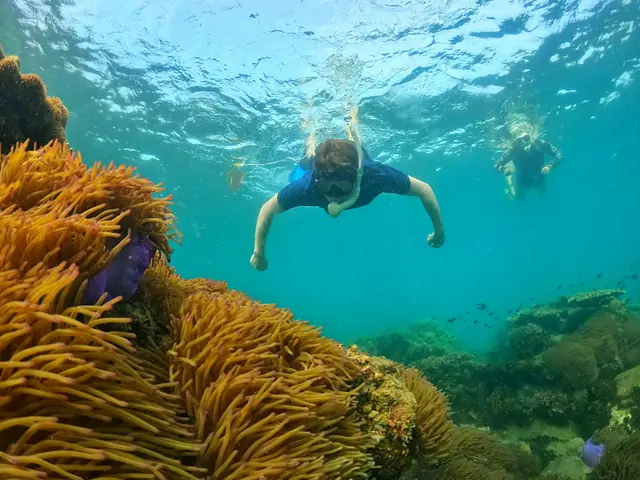 BasicsHow to snorkel: a step-by-step guide for beginners
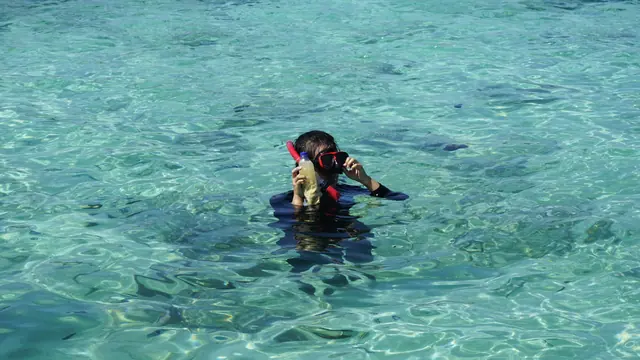 GearBest snorkel vests for adults and non-swimmers
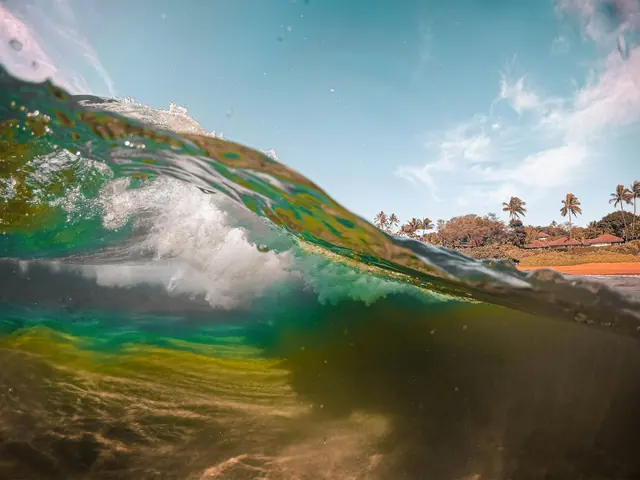 SafetyMaui snorkel report: how to check today's conditions
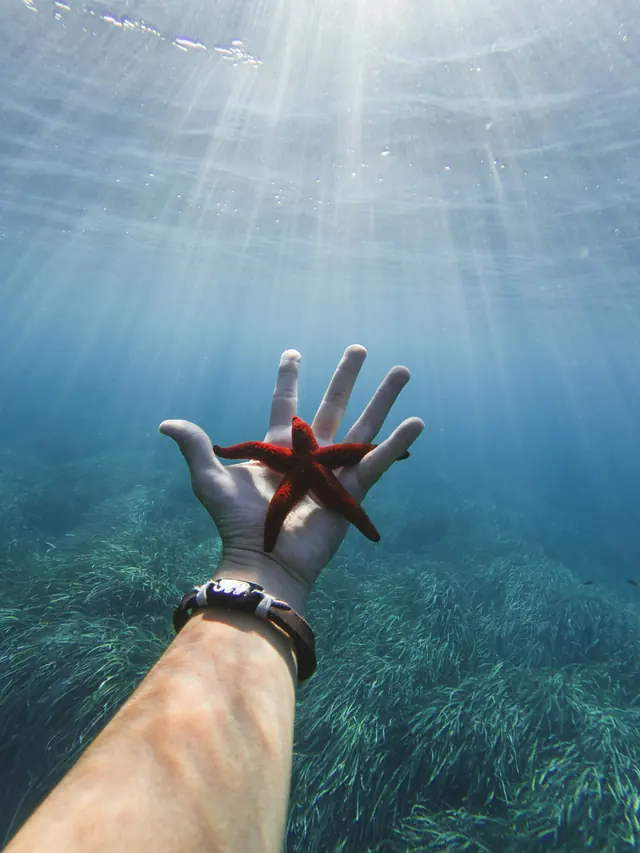 SafetyAre full face snorkel masks safe?
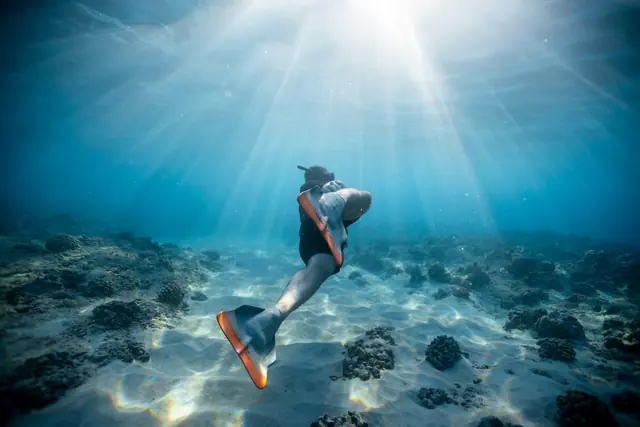 BasicsDo you need to know how to swim to snorkel?
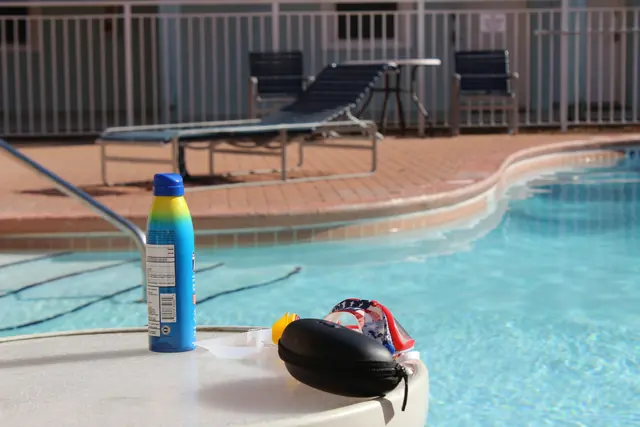 GearBest reef-safe sunscreen for snorkeling