Manta ray night snorkel in Kona: 7 tours compared
Which Kona manta ray night snorkel to book: seven tours compared by harbor, boat type, group size, sighting guarantee and price, plus what the experience is really like.
Some links are affiliate links: if you book or buy through them we may earn a commission at no extra cost to you. How this works.
On this page
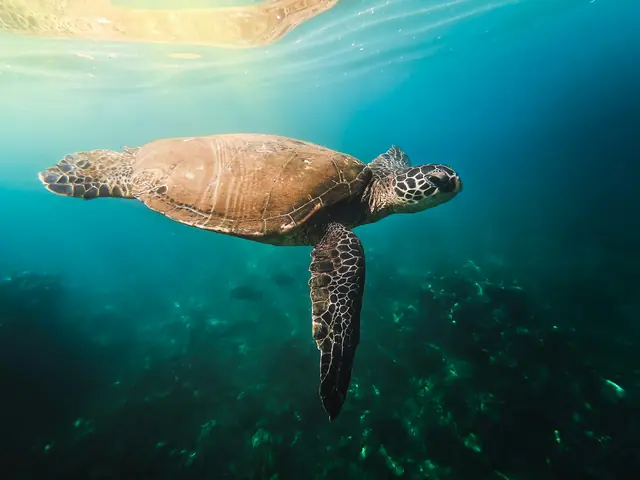
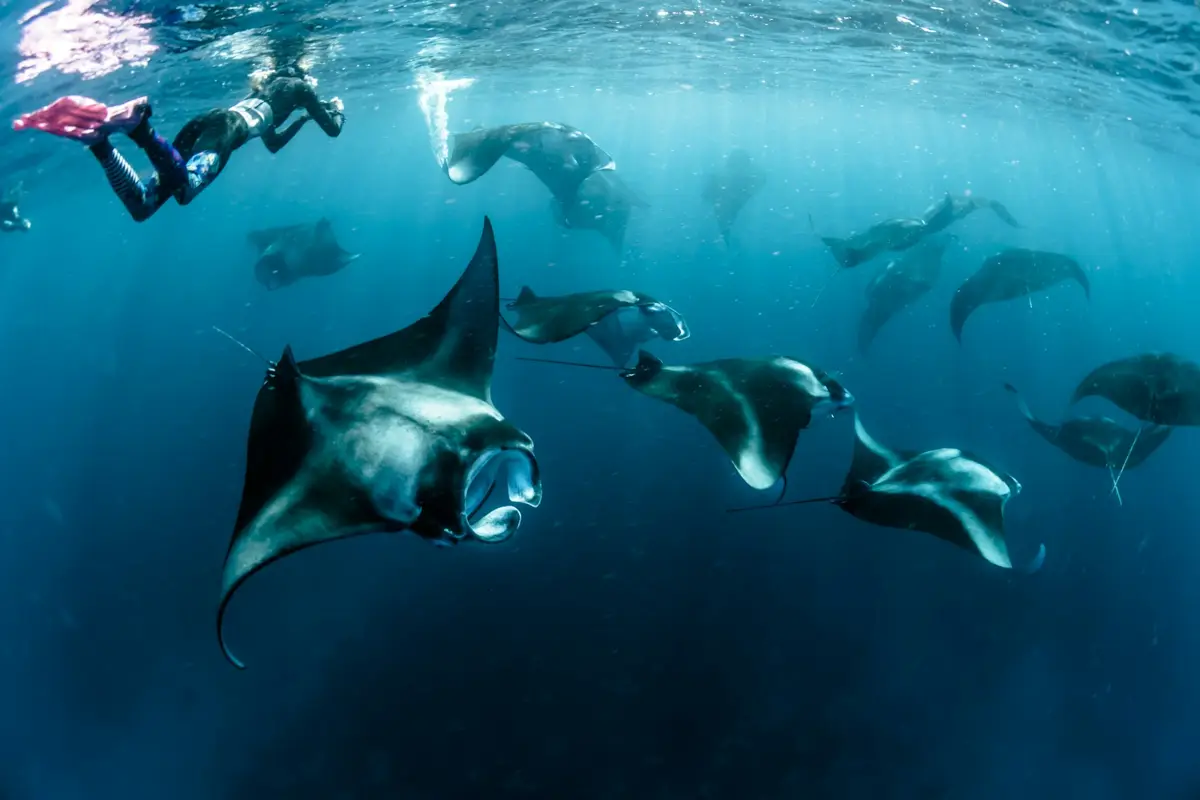
Snorkeling above feeding manta rays at night is one of the best wildlife experiences in Hawaii, and one of the easiest. You hold onto a lit float, put your face in the water and wait. The lights attract plankton, the plankton attracts reef manta rays, and the mantas loop and somersault a few feet below you with their mouths wide open.
There are dozens of boats doing this trip off Kona, and the main differences are which harbor you leave from, how big the group is, and what happens if no mantas show up. Here is how seven popular tours compare.
The 7 tours at a glance
| Tour | Leaves from | Time | Group | From | Book |
|---|---|---|---|---|---|
| Manta Magic small-group night snorkelViator: short ride, small group | Keauhou Bay | About 1.5 h | Small group | $145 | Check availability |
| Sea Paradise manta night snorkelViator: long-running operator, stable boat | Keauhou Bay | About 2.5 h | Catamaran | $141 | Check availability |
| Manta ray night snorkel from KonaViator: hot soup and drinks after | Honokohau Harbor | About 2.5 h | Medium boat | $160 | Check availability |
| Kona Ocean Adventures manta snorkelViator: very small group, snorkel or dive | Honokohau Harbor | About 2 h | Max 10 | $227 | Check availability |
| Manta snorkel with free re-rideViator: free re-ride if no mantas | Kona | About 2 h | Zodiac, up to 11 | — | Check availability |
| Manta snorkel by Hawaiian canoeViator: paddle out, re-ride policy | Keauhou Bay | About 2 h | Canoe, up to 12 | — | Check availability |
| Manta rays guaranteed night snorkelViator: most reviews, budget pick | Honokohau Harbor | About 2 h | Up to 30 | — | Check availability |
Prices are the lowest listed price when we last checked, per person, before taxes. They vary by season and boat.
Keauhou or Honokohau: the two manta sites
Kona has two regular manta sites, and every tour goes to one of them.
Manta Village (Keauhou)
Off Keauhou Bay, Kona
- Level
- 2 of 5
- Entry
- Boat only
- Depth
- About 30–35 ft below you
- Visibility
- Lit by the boats
- Best months
- Year-round
- Facilities
- On the boat
- Fees and permits
- Included in tour price
- What you'll see
- Reef manta rays feeding on plankton
How to get there
Most tours meet at Keauhou Bay pier, about 15 minutes south of Kailua-Kona on Alii Drive. Parking at the bay is limited; arrive 30 minutes early.
19.563° N, 155.965° WDirections
Manta Heaven (Garden Eel Cove)
North of Kailua-Kona, near the airport
- Level
- 2 of 5
- Entry
- Boat only
- Depth
- About 30–40 ft below you
- Visibility
- Lit by the boats
- Best months
- Year-round
- Facilities
- On the boat
- Fees and permits
- Included in tour price
- What you'll see
- Reef manta rays, garden eels at dusk
How to get there
Tours leave from Honokohau Harbor, about 10 minutes north of Kailua-Kona off Queen Kaahumanu Highway. The ride to the site is 15–20 minutes.
19.730° N, 156.061° WDirections
Choose Keauhou if you get seasick, have kids, or just want the shortest trip. The site is minutes from the pier, so tours are shorter and cheaper.
Choose Honokohau if you are staying north of Kailua-Kona or want a sunset cruise before the snorkel. The boat ride is longer, and the site is a little more exposed.
What actually happens on the night
- Check-in around sunset. You sign a waiver, get fitted for a wetsuit and mask, and listen to a briefing on manta behavior and the rules.
- Ride to the site. From five minutes (Keauhou) to about 20 minutes (Honokohau).
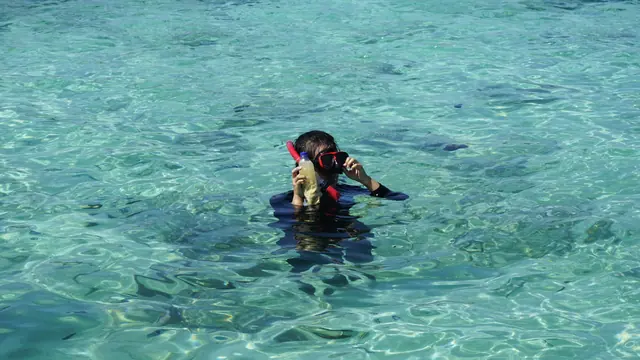
- In the water for 30–45 minutes. You slide in, swim a few meters to a floating light board, hold the handles and float face down with your legs extended at the surface. Divers on the bottom shine more lights up.
- The mantas arrive. Reef mantas in Kona commonly measure 8 to 12 feet across. They glide up through the light beam, mouths open, and turn away inches from your mask.
- Back on board. Most boats serve hot drinks or soup. Bring a warm layer: the night breeze on wet skin is cold even in Hawaii.
How to choose your tour
Group size. The biggest boats take 30 or more snorkelers to the same float. Small-group trips (6 to 14 people) mean more space on the light board and a guide who can actually watch you.
Re-ride policy. Mantas are wild, and on a few nights a year they do not show. Several operators offer a free trip on another night if you see none. If your schedule is tight, this is worth more than a small price difference.
Snorkel or dive. Certified divers can join some trips and watch from the bottom at about 35 feet. Snorkelers often get the better view, because the mantas feed close to the surface lights.
Boat type. Rafts and zodiacs are fast but bumpy. Catamarans are more stable for kids and anyone prone to seasickness. Canoe trips are slower and quieter.
Rules on the water
- Do not touch. Mantas have a protective mucus coating. Touching damages it.
- Stay at the surface. Do not dive down; the space below the lights belongs to the mantas and the divers.
- Keep your legs up. Dangling legs get in their way. Wear the provided wetsuit or a noodle under your hips.
- No full face masks. Many Kona operators do not allow them. Bring a regular mask that fits, or use the one provided.
Tips for a better night
- Book early in your trip. If weather cancels your night, you have time to rebook.
- Take seasickness medication an hour before if you are prone to it, even on short Keauhou trips.
- Bring a camera only if it handles low light. Action cameras do well with the boat lights. See best underwater cameras for snorkeling.
- Wear reef-safe sunscreen only if you need it. At night you do not, and it keeps the water cleaner.
If you are planning the rest of your Big Island days, our Big Island snorkeling guide covers Kealakekua Bay, Two Step and the best calm beaches. For the wider picture, see best places to snorkel in Hawaii.